Fast activation
Paid Fusion customers downloading within 30 minutes increased by 5.8 points at 90% confidence.
Led design for the controlled activation experiment.James Schmittler
Senior UX & Product Design Leader
Growth, Platform Strategy & Organizational Scale
I am an organizational architect who transforms ambiguity into aligned action by building trust, creating clarity, and enabling people to do the best work of their careers.
Senior UX and Product Design leadership across enterprise platforms, growth, customer lifecycle experiences, and organizational systems.

A selection of customer, business, and organizational outcomes from the work.
Paid Fusion customers downloading within 30 minutes increased by 5.8 points at 90% confidence.
Led design for the controlled activation experiment.Monthly-user surface scale for the post-purchase platform; not an outcome caused by the redesign.
Reduced onboarding time by redesigning workflows, decision points, and team operating practices.
Led the experience and operating-model changes with cross-functional partners.Company/product growth to which the three cross-functional teams and broader organization contributed; not solely attributable to design.
Aligned UX strategy with customer and market needs as Director of User Experience.Three cases showing platform strategy, service-system design, and organizational leadership.
Autodesk · 2023–Present
A fragmented account portal→A shared story for post-purchase value
The interface was a symptom. The real problem was that many teams owned pieces of the journey, but no one owned the customer’s understanding of it.
Paid Fusion customers downloading within 30 minutes increased by 5.8 points at 90% confidence.
Led design for the controlled activation experiment.
Autodesk · 2023–Present
Premium services without a clear story→Success designed as a scalable system
Customers could not see meaningful differentiation between service tiers. Internally, benefits were fragmented across organizations and destinations.
Learning, coaching, planning, support, and insight were organized around customer jobs and next actions.
Led the experience strategy and portfolio framing.
Thomson Reuters · 2021–2023
A portfolio of capable but disconnected products→A coherent legal operating system
The design challenge was larger than any workflow. Customers needed matters, tasks, documents, budgets, spend, billing, analytics, and collaboration to behave like one system.
Improvement across the five highest-value tasks using Pendo behavior data, customer insight, and iterative changes.
Led UX strategy and experience measurement across the product teams.
One operating model. Six connected moves.
Make complexity visible. Create shared direction. Design the operating model. Grow leadership capacity. Measure what changes. Leave the room able to move without waiting for me.
Map the customer journey, platform dependencies, incentives, and constraints before narrowing the problem.
Reframed Autodesk Account from a fragmented portal into the primary post-purchase platform serving roughly 1.5 million monthly users.
Turn complexity into a story people can understand, challenge, and act on.
Established shared design tenets, KPIs, and a post-purchase platform vision across Product, Engineering, Customer Success, Research, Content, and Marketing.
Clarify decisions, ownership, rituals, and how teams work together.
Restored momentum during organizational churn by clarifying ownership and creating planning systems across multiple workstreams.
Create space for others to own decisions, lead visibly, and build confidence.
Led globally distributed teams across North America and EMEA, from developing designers to autonomous Principal-level leaders.
Track customer outcomes, team capability, and whether the system continues to improve.
Operationalized time-to-download, assignment, utilization, and onboarding KPIs across beta releases reaching more than 120,000 users.
The goal is not dependency on leadership. It is a team that understands the system, owns the decisions, and can continue making progress.
The operating model is the spine. These principles support decisions when trust, speed, coherence, and autonomy pull in different directions.
People cannot align around something they do not understand.
The quality of the work depends on the strength of the relationships behind it.
Progress does not require everyone to prefer the same answer. It requires everyone to understand the choice.
The interface is only one part of the experience. Ownership, decisions, incentives, and operations shape it too.
Progress creates learning. Learning creates better decisions.
The best outcome is a stronger product and a more capable, confident team.
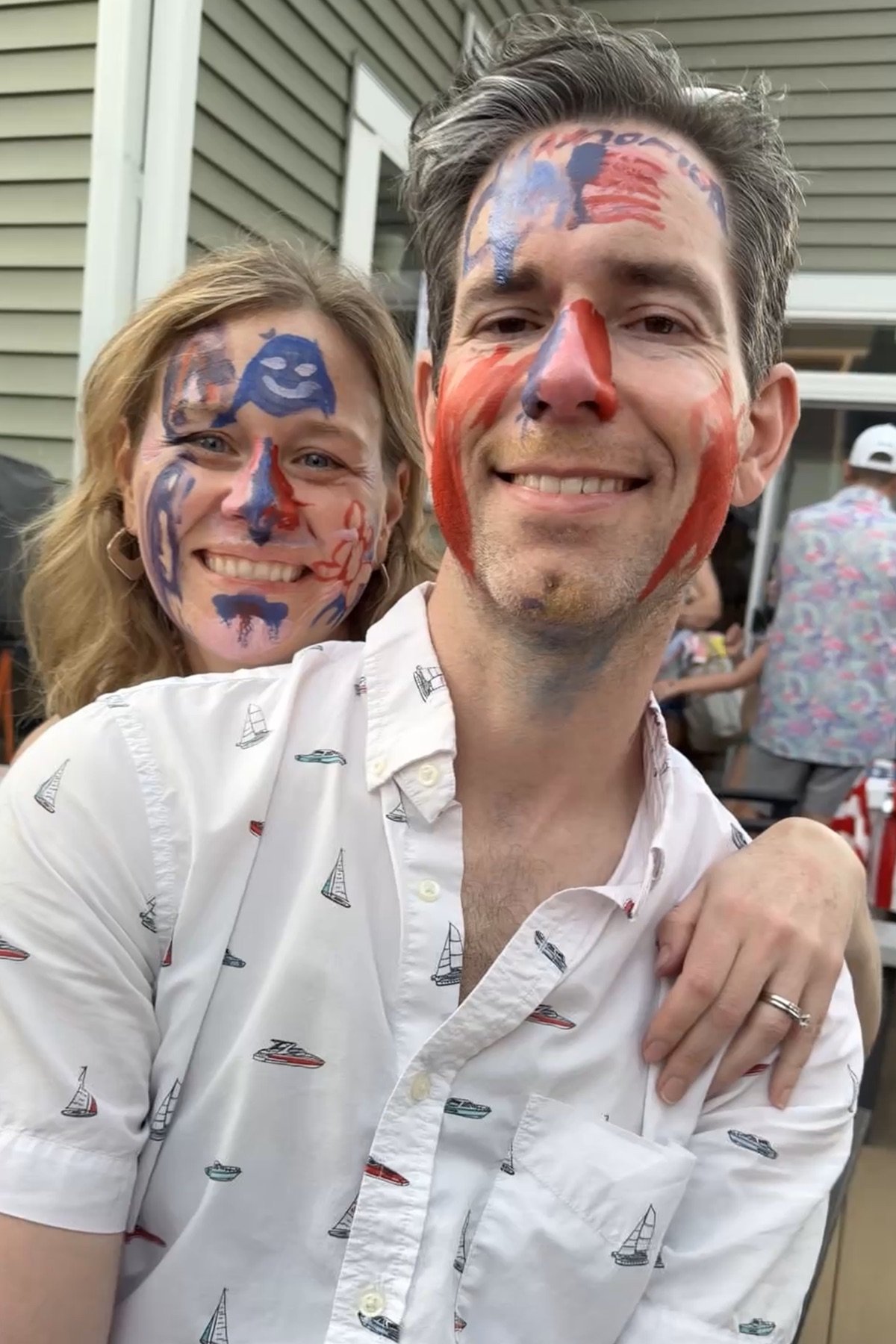
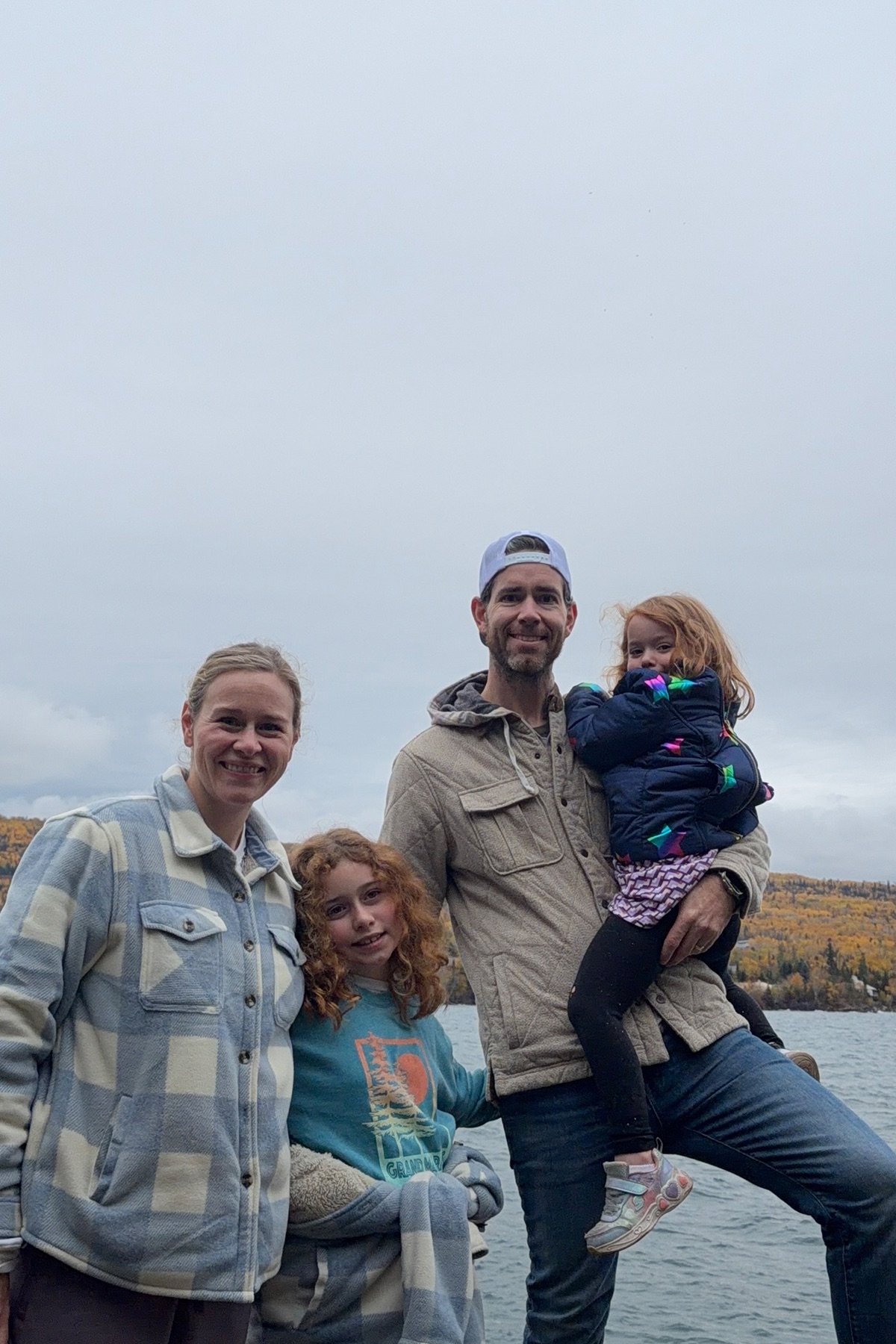
I live in Minnesota with my wife, Emily, our daughters, Matilda and Ramona, and our dog, Dot. Woodworking, 3D printing, time outside, and family adventures keep the systems thinker in me grounded in tangible work.
Read the full story ↗


What difficult problem are you trying to move?
If the work needs alignment across a complicated product landscape, not just another deliverable, reach out and let's chat about how I can help.