Autodesk · 2023–Present
Account 3.0
A shared story for post-purchase value
The interface was a symptom. The real problem was that many teams owned pieces of the journey, but no one owned the customer’s understanding of it.
Executive summary
ProblemA generic experience, fragmented workflows, multiple owners, uneven governance, and no coherent relationship to the broader Autodesk ecosystem.
StakesAccount was the primary post-purchase surface, but fragmented ownership and generic workflows prevented it from helping customers reach value coherently.
- Role
- Manager, Digital Experience
- Mandate
- Lead UX strategy for Autodesk’s post-purchase signed-in experience and shape a reusable growth platform across account, product access, learning, subscriptions, insights, and support.
- Team and partners
- Design, Product, Engineering, Research, Content, Lifecycle Marketing, Customer Success, and platform partners
- Scope
- A signed-in platform serving roughly 1.5 million monthly users across activation, value realization, retention, and expansion.
- Decision rights
- Led experience strategy, information architecture, design direction, and portfolio vision; co-led cross-functional framing and customer validation with product, research, engineering, marketing, and executive partners.
Fast activation
Paid Fusion customers downloading within 30 minutes increased by 5.8 points at 90% confidence.
Led design for the controlled activation experiment.Fusion ARR
Estimated annual recurring revenue influenced through modeled renewal value, not incremental bookings.
Translated the measured activation lift into a clearly qualified business estimate.Beta reach
Users reached through releases governed by shared activation and onboarding measures.
The system behind the screen
Customer
Customers had to interpret products, subscriptions, access, learning, and support across disconnected experiences.
Business
Autodesk needed the signed-in journey to improve activation and create a durable foundation for retention and expansion.
Organization
Multiple teams owned parts of the journey without a shared story, governance model, or scorecard.
Leadership mandate
Lead UX strategy for Autodesk’s post-purchase signed-in experience and shape a reusable growth platform across account, product access, learning, subscriptions, insights, and support.
Owned and led
Led experience strategy, information architecture, design direction, and portfolio vision; co-led cross-functional framing and customer validation with product, research, engineering, marketing, and executive partners.
Partnered across
Design, Product, Engineering, Research, Content, Lifecycle Marketing, Customer Success, and platform partners
Consequential decisions
Not a process timeline. The choices that changed the system, the tradeoffs they required, and the evidence they created.
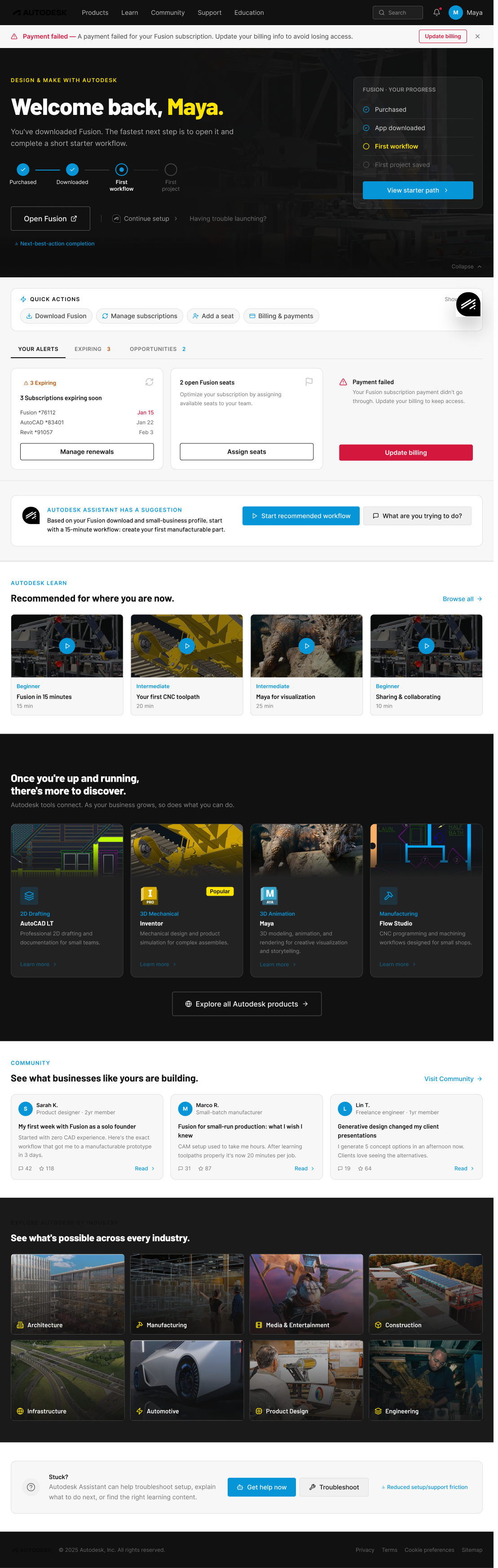
Reframe Account as a digital concierge
- Tension
- A portal redesign could improve navigation without resolving the fragmented post-purchase experience.
- Decision
- Define Account as a platform that understands what customers own, anticipates what they need, and guides them toward value.
- Rationale
- A shared platform story connected local product decisions to a coherent customer outcome.
- Tradeoff
- Broader platform coherence required sequencing beyond isolated interface improvements.
- Operating mechanism
- Journey maps, platform principles, information architecture, and an executive narrative made the future state discussable.
Sequence learning before platform complexity
- Tension
- The long-term vision included personalization, administration, messaging, and multiple surfaces, while early releases needed measurable learning.
- Decision
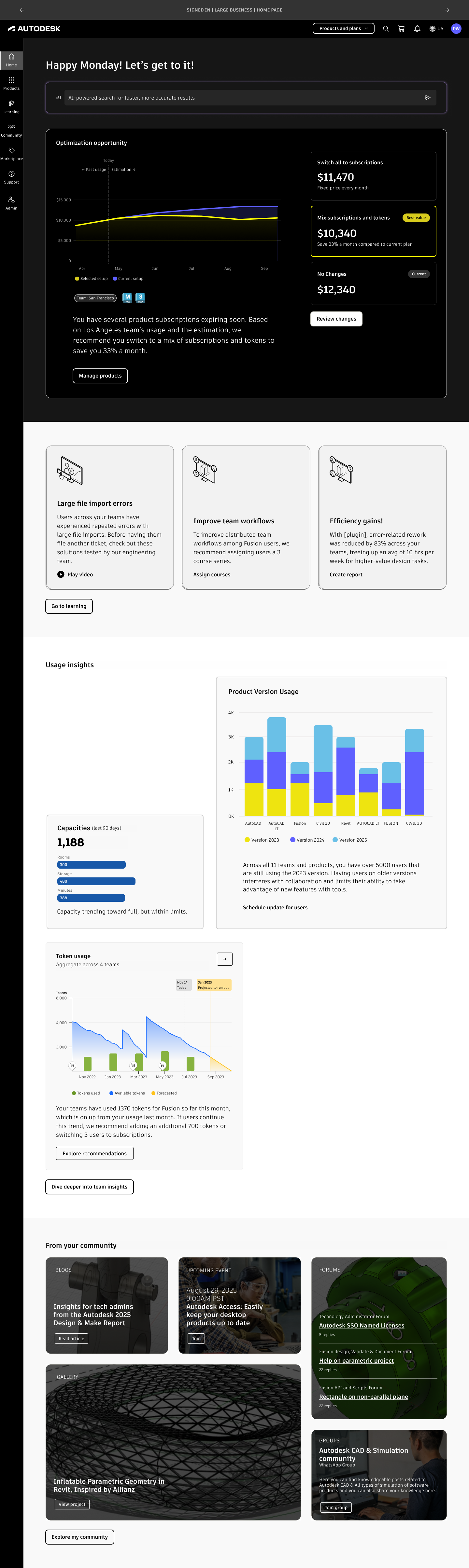
- Use controlled releases and shared activation measures to test high-value journeys before expanding the platform model.
- Rationale
- A narrower release could establish evidence without abandoning the larger story.
- Tradeoff
- The first experience could not express every future-state capability.
- Operating mechanism
- Time-to-download, assignment, utilization, and onboarding KPIs created a common release scorecard.
Turn one experiment into a reusable growth system
- Tension
- A successful activation improvement could remain a local win instead of informing the broader signed-in journey.
- Decision
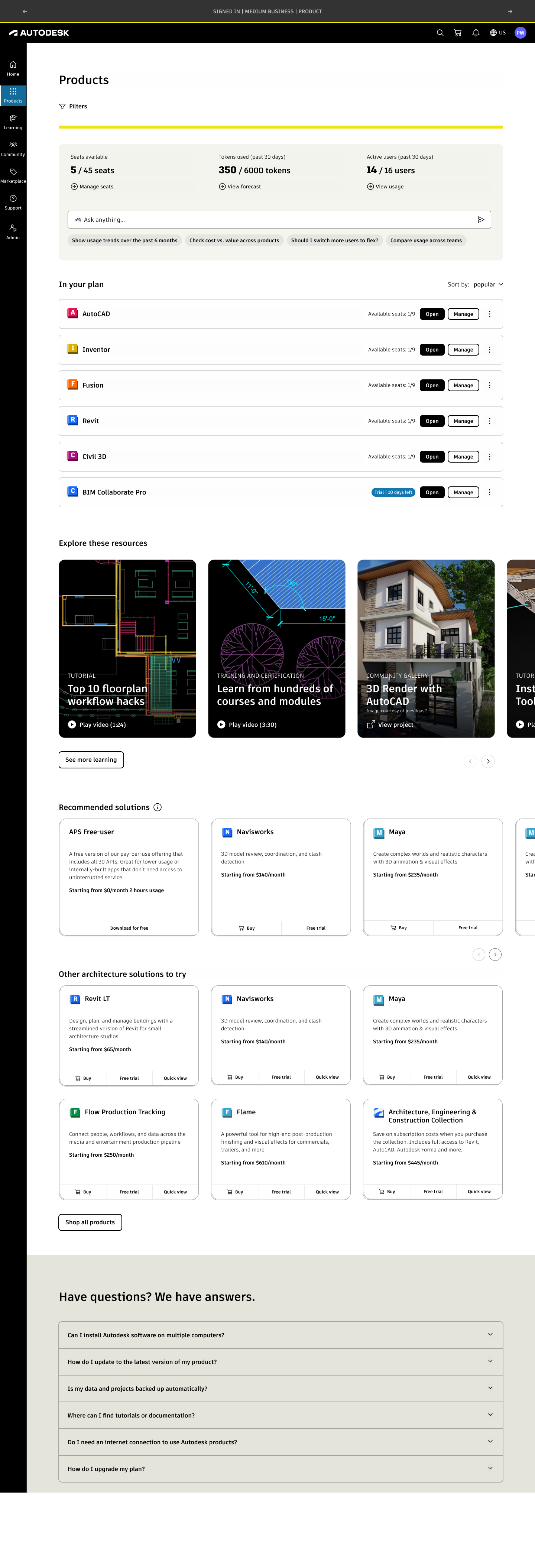
- Translate the activation result into reusable capabilities spanning activation, value realization, retention, and expansion.
- Rationale
- The business value came from applying the learning across the customer lifecycle, not from preserving a single flow.
- Tradeoff
- Modeled financial influence had to remain distinct from incremental bookings.
- Operating mechanism
- A portfolio vision connected account, in-product, messaging, learning, and assistant surfaces to shared customer values.
What changed
Customer, business, organizational, and capability outcomes from the work.
Customer
Fast activation
Paid Fusion customers downloading within 30 minutes increased by 5.8 points at 90% confidence.
Led design for the controlled activation experiment.Business
Fusion ARR
Estimated annual recurring revenue influenced through modeled renewal value, not incremental bookings.
Translated the measured activation lift into a clearly qualified business estimate.Organization
Beta reach
Users reached through releases governed by shared activation and onboarding measures.
Capability created
Account reach
Monthly-user surface scale for the post-purchase platform; not an outcome caused by the redesign.
Attribution
UX strategy and design direction led by James in partnership with Product, Engineering, Research, Content, Customer Success, Lifecycle Marketing, platform teams, and executive stakeholders.
Reflection
- What worked
- A shared story and scorecard allowed teams with different incentives to make compatible decisions.
- What I would change
- I would establish the metric taxonomy and decision-rights map earlier so every workstream could distinguish platform learning from local delivery.
- What persisted
- The work created reusable growth capabilities and a common language for activation, value realization, retention, and expansion.
- What I learned
- Platform strategy becomes credible when the future story and the next measurable release are designed together.
Supporting evidence
Selected artifacts from early framing through detailed product decisions.